The Strategic Value of the Circle Number Options Infographic in Modern Communication
In an era saturated with information, clarity and visual impact are paramount. A specific asset has emerged as a cornerstone for professionals across fields seeking to distill complexity into compelling narratives: the Circle Number Options Infographic. This versatile tool, often provided as a fully editable PNG file, JPG file, SVG, EPS, and Adobe Illustrator 10 version, transcends simple decoration. It represents a modular system for thinking and presenting, aligning perfectly with contemporary demands for agile, scalable, and aesthetically coherent visual communication.
Defining a Visual Framework
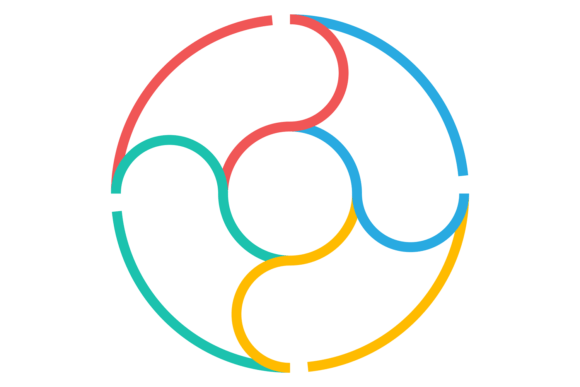
At its core, a Circle Number Options Infographic is a flat design modern illustration built around a central circular motif, typically segmented or accompanied by numbered options, steps, or processes. Its design philosophy prioritizes clean lines, minimal detail, and bold use of color RGB. The true power lies not in its static form but in its adaptability: being Easy Scalable, Resizable, and allowing Easy change Colors, it functions as a dynamic template. With Fully Editable Files Included for applications like AI Adobe Illustrator, it empowers users to mold a predefined visual structure to their exact content needs, bridging the gap between rapid deployment and custom design.
Alignment with Broader Trends in Work and Creativity
The ascendancy of this visual format is not accidental. It mirrors several interconnected trends reshaping how we work, communicate, and consume information.
The Demand for Visual Workflow Layouts
Modern project management and operational transparency rely heavily on visual systems. A Circle Number Options Infographic provides an immediate framework for a workflow layout or diagram. Teams can map a four-stage process, a quarterly strategy with four pillars, or a customer journey with four touchpoints. This transforms abstract plans into a shared, tangible reference point, fostering alignment and accountability. The easy scalability means the same asset can be used in a detailed internal report, a quick team stand-up presentation, and a public-facing web design element without losing visual consistency.
The Rise of Modular Design Systems
In both business concept development and digital design, there is a shift towards modular, reusable components. This infographic acts as a perfect visual module. Its structure—often built around 4 options, steps or processes—provides a familiar cognitive container that audiences quickly understand. Creators and entrepreneurs can repurpose this module across multiple projects, from explaining service tiers to outlining a product launch phases, ensuring brand coherence while saving invaluable time. This modularity directly supports the agile, iterative workflows dominant in today’s creative and technological environments.
Why Professionals Are Prioritizing This Asset
The attention given to tools like the Circle Number Options Infographic stems from a pragmatic reassessment of resource allocation. Marketers and freelancers juggle diminishing timelines with expectations for high-polish output. A fully editable, vector-based (SVG, EPS) infographic solves a critical problem: it offers a starting point far beyond a blank canvas, yet avoids the constraints and licensing complexities of a pre-made, non-editable graphic. The ability to easily change colors to match any brand palette or campaign theme makes it a strategic asset, not just a one-use item.
Furthermore, the flat design modern illustration style remains persistently popular for its clarity and digital-native feel. It conveys information without visual noise, which is essential for engaging audiences who skim content across devices. This style’s compatibility with both print and digital outputs, thanks to included JPG and high-resolution PNG files, ensures utility across all mediums a professional might encounter.
Changing Needs Driving Relevance
Underlying this utility are fundamental shifts in audience preferences and creator workflows:
- Expectation of Visual Abstraction: Audiences, from clients to consumers, now expect complex ideas to be summarized visually. A text-heavy list of four business values is less effective than those values encapsulated in a clean, numbered circular graphic.
- The Hybrid Workflow: Professionals often switch between tasks—from deep analysis in a spreadsheet to crafting a client pitch. An infographic that serves as both an analytical diagram and a presentation-ready graphic streamlines this hybrid workflow.
- Brand Velocity: The need to apply brand identity quickly across diverse materials is acute. An editable infographic where colors and elements can be swapped in minutes, rather than hours, directly increases brand deployment velocity.
Practical Applications and Observations
Moving beyond theory, the practical use cases for a Circle Number Options Infographic are vast. Consider a web design agency using it to visually explain their four-phase development process (Discovery, Design, Build, Launch) on their service page. A tech entrepreneur might use it in a pitch deck to diagram the four key features of their platform. A corporate trainer could embed it in e-learning materials to outline the four steps of a new compliance procedure.
An insightful observation is that the constraint of “four options” is often a strength. It forces prioritization and concise messaging, countering the tendency to overcrowd with information. This makes the output not only more visually appealing but also more impactful and memorable.
Connection to Larger Developments
The relevance of this specific visual tool is amplified by larger developments. The democratization of design, powered by accessible software and a wealth of editable assets, allows non-designers to produce professional-level materials. The Circle Number Options Infographic is a prime example of this democratization—providing the structure a novice needs and the depth a professional requires.
Similarly, it connects to the broader emphasis on data visualization and information design as critical skills. Using such an infographic effectively requires the user to think critically about how to categorize and sequence information, thereby engaging in fundamental information design practice. It is, therefore, both a productivity tool and a subtle trainer in visual communication principles.
Forward-Looking Utility
Looking ahead, the principles embedded in this asset—modularity, scalability, editability, and clear visual hierarchy—are precisely what will remain valuable. As communication channels evolve and the pace of content production increases, the ability to adapt a core visual template rapidly will be non-negotiable. The inclusion of future-proof file formats like SVG ensures the graphic remains easy scalable and crisp across any display resolution or print requirement, making it a durable investment for any creative toolkit.
In conclusion, the Circle Number Options Infographic is far more than a graphic file. It is a reflection of modern communication needs: a demand for speed without sacrificing quality, for structure that enables creativity, and for visuals that convey authority and clarity. By understanding its role as a versatile framework for workflow layout, diagram, presentation, web design, and business concept explanation, professionals and creators can leverage it not just to make their work look better, but to make their thinking clearer and their processes more efficient.