Understanding Abstract Infographic Tags Design Colors
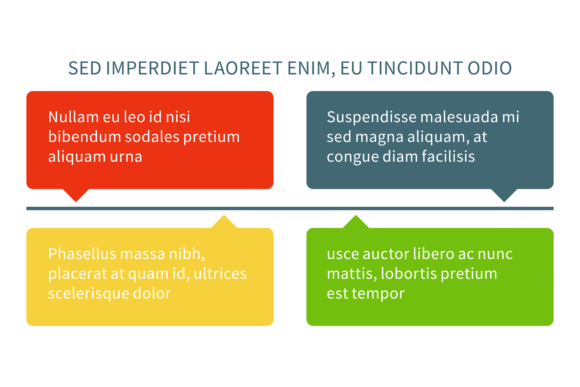
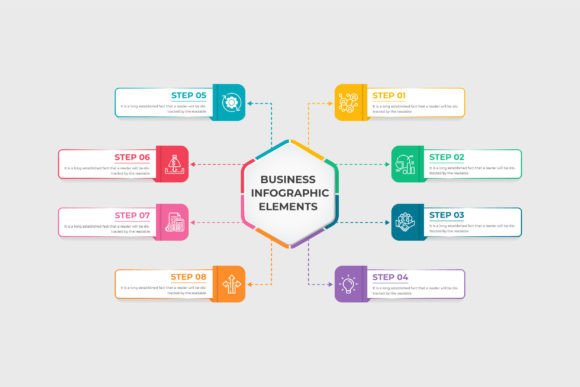
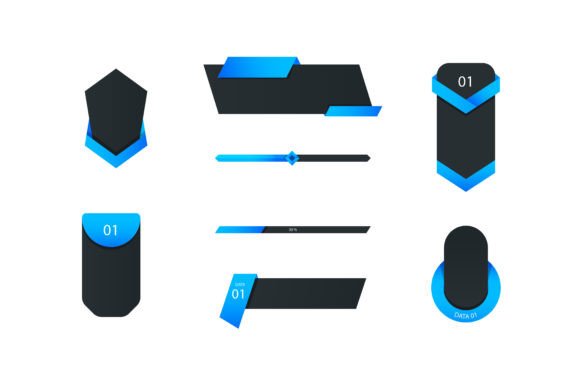
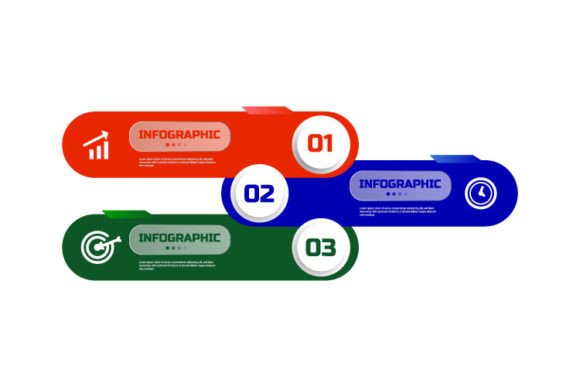
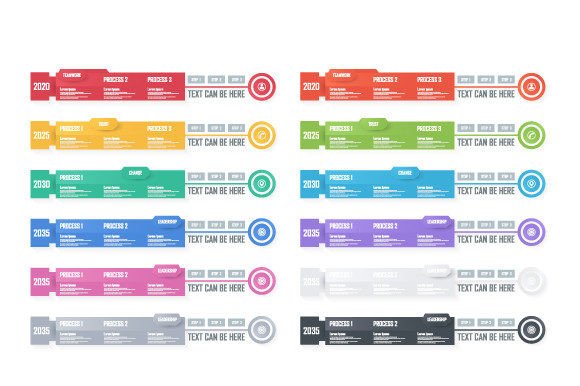
In the realm of visual communication for business, abstract infographic tags design colors represent a specific style of graphic artwork. This style combines non-representational shapes, tag or label-like elements, and curated color palettes to create decorative backgrounds or accent graphics. Typically produced in pure vector format, such as EPS10, these designs offer significant flexibility. Users can adjust size, shape, and color to align with their unique brand style or project requirements. The core product is often delivered as a high-resolution 300 DPI file without a watermark, available in both editable vector and ready-to-use JPEG formats via a ZIP file. This artwork is designed not to convey specific data like a traditional infographic, but to provide a modern, aesthetic foundation for business materials.
Evaluating Interest and Potential Applications
Several key reasons might drive someone to research and consider abstract infographic tags design colors. Professionals often seek such assets when they need to elevate the visual appeal of their business communications without investing in custom illustration from scratch. This includes marketing teams looking for fresh backgrounds for social media posts, website banners, or digital advertisements. Corporate trainers or internal communicators might use these graphics to create more engaging presentation slides or internal report covers. The abstract nature allows for broad application across different industries without implying a specific niche, while the tag-like elements can subtly suggest organization or categorization, adding a conceptual layer to the decor.
The primary benefits of utilizing this style of artwork are rooted in its versatility and efficiency. The pure vector format ensures that the graphic remains crisp at any scale, from a small icon to a large billboard background, which is a critical technical advantage. The ability to adjust colors allows for seamless branding, enabling the graphic to be adapted to any corporate color scheme. Furthermore, acquiring a ready-made, high-quality design can save considerable time and cost compared to commissioning a new design. The absence of a watermark in the purchased file grants full commercial usage rights, which is essential for business applications.
Tradeoffs and Key Considerations
While the benefits are clear, there are important tradeoffs and considerations. First, the abstract and decorative purpose means this artwork will not serve as a data visualization tool. It is a design element, not an informational infographic. Users must have a clear need for a background or decorative asset. Second, although adjustable, the core design structure—the arrangement of abstract tags and shapes—is fixed. Customization is limited to color, scale, and perhaps minor vector edits if the user has appropriate software and skills. This pre-set structure might not fulfill requirements for a completely unique, bespoke design concept.
Expectations should be set around the file types and usage. The EPS10 file is adjustable in vector editing programs like Adobe Illustrator, but requires knowledge of such software to modify beyond basic color changes. The accompanying JPEG is a static, high-resolution image for immediate placement. The 300 DPI resolution is suitable for both digital and print use, but users should verify their specific print requirements for very large formats. Understanding that this is a stock graphic, albeit a flexible one, helps align expectations with the product's offering.
Situations Where It Is a Strong Fit
Abstract infographic tags design colors artwork is a particularly strong fit for several scenarios. It aligns well with businesses or projects that have established brand colors but lack dedicated in-house design resources. The ability to recolor the vector graphic makes it a cost-effective brand-consistent solution. Projects with tight deadlines benefit greatly from the immediate availability of a professional-grade asset. Furthermore, companies aiming for a modern, clean, and slightly tech-oriented aesthetic often find that this abstract style complements their image without being overtly thematic. It is also a fitting choice for creating a cohesive visual theme across multiple touchpoints, such as a series of webinar slides, email campaign headers, and brochure backgrounds, where consistent decorative elements reinforce brand recognition.
When to Consider Alternatives
Alternatives to abstract infographic tags design colors should be considered in specific situations. If the core need is for a functional infographic that explains processes, data, or hierarchies, then true data visualization templates or custom infographics are more appropriate. For projects demanding utterly unique artwork that tells a specific brand story through custom illustration, investing in a commissioned designer would yield better results. Similarly, if the required aesthetic is highly specific—such as vintage, hand-drawn, or hyper-realistic—a general abstract vector graphic may not suffice, even with color adjustments. Users with no access to vector editing software and who need to make structural changes might find simpler, raster-based background images or templates for programs like PowerPoint more practical, despite their lower scalability.
Practical Decision-Making Insights
To determine whether abstract infographic tags design colors aligns with your goals, conduct a straightforward needs assessment. First, clarify the primary use case: is it for decoration, background, or accent? If yes, proceed. Second, evaluate your technical capacity: do you or a team member have software to edit EPS vector files if color changes are needed? If not, confirm that the default JPEG colors suit your project. Third, consider the scope of application: will this single graphic be used across multiple materials to create unity? If so, its versatility becomes a high-value asset. Fourth, weigh the cost of this purchase against the time and expense of creating a similar asset internally or hiring a freelancer.
Ultimately, the decision hinges on balancing the need for professional aesthetics with the resources available for customization and creation. This style of artwork serves as a bridge, offering a polished, scalable, and adaptable visual solution for businesses that prioritize design quality but operate with practical constraints on time, budget, or design expertise. By understanding its purpose as a decorative, flexible vector asset, and by honestly assessing your specific project requirements and capabilities, you can make an informed choice on whether abstract infographic tags design colors is the right tool for your visual communication needs.